

Advanced writing niches sit in the corners of the content world. Where clients need writers who actually understand what they’re talking about.
Think medical communications, fintech, cybersecurity, sustainability reporting, and developer documentation. These aren’t projects where you can fake it with a few Google searches. You need a working knowledge of complex systems ideas that won’t tolerate hand-waving.
The payoff? Higher rates and steadier work. Not to mention projects that don’t make you want to quit writing entirely.
The trend toward specialization has been building for years. By 2026, it’s going to be hard to ignore. So, it’s time to take your writing to the next level.
As a content writer, keep reading to learn how to specialize in niche writing and earn more this year.
How To Specialize Your Writing and Earn More in 2026 and Beyond
1. Find the writing niches everyone demands
It’s a good idea to write for industries that need extra credibility. Niche writing is key. But what makes one “advanced”? A few patterns:
- The subject matter is complex (specialized vocabulary, technical frameworks, scientific concepts).
- There’s usually a regulatory layer shaping the message.
- The content ties directly to business outcomes (sales enablement, investor relations, risk reduction).
- You’re working with research and standards.
- You’re writing for multiple audiences at once (engineers and clinicians, CFOs and regulators).
High-demand niches right now:
- B2B SaaS and developer-focused content (APIs, SDKs, product docs)
- Cybersecurity and data privacy
- Fintech and payments
- Healthcare and medical communications
- Sustainability, ESG, and climate tech
- Legal and regulatory tech
- Supply chain, manufacturing, and industrial tech
- AI product explainers and AI safety/ethics content
Sustainability reporting and AI ethics content (including digital transformation narratives) represent huge growth opportunities. Companies budget for writers who can translate complex ESG data into useful stories. Writers who position themselves here now will gain real advantages by 2026.
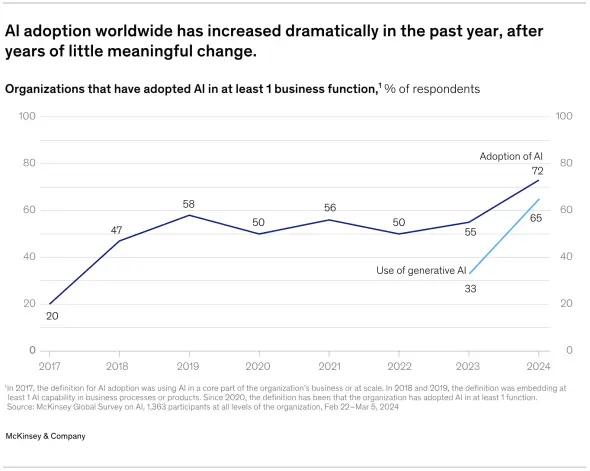
Meanwhile, McKinsey reported that about a third of organizations (65%) regularly use generative AI tools. This creates immediate demand for clear guidance and education content. As the EU finalizes the AI Act, companies need writers who can unpack compliance requirements and communicate risk responsibly.
Lastly, the key drivers are visible in policy and regulation. For instance, the EU’s Corporate Sustainability Reporting Directive will apply to roughly 50,000 companies, raising the bar for ESG disclosures. In healthcare, growing scrutiny of medical negligence is increasing the need for precise, compliant medical content that can withstand legal and regulatory review.
2. Build real expertise (and make it obvious)
You don’t need another degree. You do need a plan to become genuinely useful in your niche. This entails adapting your writing style for different content formats. More importantly, it requires demonstrating your knowledge and expertise in the field.
Take it from Bryan Henry, President of PeterMD. In a highly regulated space like testosterone replacement therapy (TRT), credibility is everything. Patients want clarity. Providers want accuracy. And compliance leaves no room for guesswork.
Henry says, “Content in the TRT space has to do more than rank. It has to educate and build trust. We focus on creating medically sound, patient-friendly content that reflects real clinical insights. When your content consistently aligns with outcomes and patient questions, credibility follows.”
A practical path:
- Pick a core curriculum and stick to it (industry reports, standards, foundational texts).
- Attend two or three top conferences (virtual counts) and take real notes.
- Publish what you’re learning (short explainers, case studies, teardown analyses).
- Interview subject-matter experts (SMEs) and share the insights publicly.
- Build a glossary and style notes for your niche as you go.
Certifications can speed credibility. Below are some useful options:
- Medical and scientific writing programs from the American Medical Writers Association (AMWA)
- Sustainability reporting certification from the Global Reporting Initiative (GRI)
- HubSpot Academy’s Content Marketing course (HubSpot Academy)
- Google’s free technical writing courses (Google Developers)
- Andrew Ng’s AI for Everyone on Coursera (Coursera)
To begin, keep your learning loop running. Also, subscribe to industry blogs and follow standards bodies. Plus, block weekly time to read and synthesize. Ultimately, the writers who stay current become the ones clients trust with major projects.
3. Market yourself as a specialist writer
Your positioning demonstrates expertise before you even write for a client. For example, market your freelance services online and make it clear you specialize in a specific field, such as holistic healthcare or business sustainability.
Learn from Adrian Iorga, Founder and President of Stairhopper Movers. While he operates in the logistics and service industry rather than writing, his approach to positioning a service business is highly relevant. Clarity drives trust, and trust drives conversion.
Iorga explains, “People don’t choose services when they’re confused. They choose when they immediately understand value. Whether it’s moving services or content creation, the businesses that clearly define what they specialize in win more consistently. Specific positioning removes hesitation and builds confidence fast.”
Key steps:
- Make your site and samples read as if they were written by a specialist.
- Lead with a niche headline and a one-sentence value statement.
- Show depth in your samples (white papers, implementation guides, executive briefs, thought leadership).
- Write short case studies that connect your work to outcomes (demo requests, qualified leads, investor confidence). See Hubspot page for customer success stories as case studies:

- Include a services page with clear packages (audit plus roadmap, editorial retainer, white paper series, documentation sprint).
- Add a resources section that proves you live in the space (reading lists, glossaries, original research).
Networking gets easier when you know who you’re trying to meet. Show up where your clients already hang out.
Join niche communities:
- Write the Docs for technical communicators
- ACES: The Society for Editing for craft and connections
- Industry associations and Slack groups tied to your niche
- LinkedIn groups for specific domains (fintech compliance, health tech product)
- Niche conferences and meetups
- Virtual talks count
4. Turn niche skills into higher-paying work
It’s not enough to employ practical techniques for sustaining creativity. You also have to be strategic as an advanced writer. And that essentially applies to pricing your content writing services.
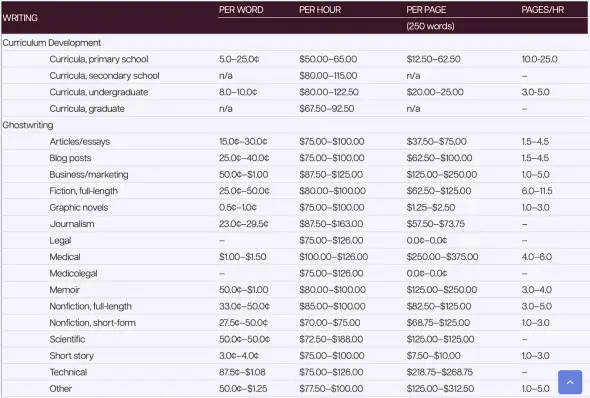
Specialization changes the math. Stop charging by the word. Price for the value and complexity you deliver. That might mean project fees for white papers or monthly retainers for ongoing thought leadership. The Editorial Freelancers Association (EFA) offers a public rates chart as a starting point.
Kellon Ambrose, Managing Director at Central Oregon Heating, Cooling, Plumbing & Electrical. He approaches hiring content writers for his marketing from a results-first perspective. Where content is evaluated based on its ability to generate leads and support long-term customer acquisition.
Ambrose says, “When I hire content writers for our marketing, I’m not looking at word count or volume. You should understand that I’m evaluating whether your work can actually support lead generation or simplify technical services. Or position my business as the trusted choice in a competitive market.
He caps saying. “If you can demonstrate that your writing drives those outcomes, you’re not just a writer to me but a strategic marketing partner. And that’s what justifies premium investment.”
To grow your income inside a niche:
- Quote flat project fees with a clear scope and two or three pricing tiers.
- Offer retainers for ongoing editorial calendars and content ops.
- Add strategic deliverables (content audits, messaging frameworks, style guides).
- Negotiate renewal points tied to business outcomes.
- Partner with adjacent pros (designers, SEOs, analysts) for better-paid packages.
As a paid writer, you can also build passive or leveraged income once you have a point of view. For instance:
- Sell playbooks or swipe files tailored to your niche.
- Teach a short, practical webinar or workshop.
- Publish a paid newsletter with industry analysis.
- Offer one-hour consults for teams who need fast clarity.
5. Handle the challenges of going niche (and win anyway)
Entering an advanced niche, like healthcare and legal writing, brings speed bumps. Knowledge gaps. Tough terminology. Stakeholder expectations that can feel impossibly high. That’s normal.
Wade O’Shea, Founder of BusCharter.com.au, brings a practical perspective from running a service business. Where precision, logistics, and client expectations leave little room for error.
O’Shea notes, “The hesitation you feel when stepping into a complex niche is normal. But you should see it as a signal that you’re moving into higher-value territory. You’re not expected to know everything on day one. What matters is how quickly you learn and how consistently you deliver accurate work.”
A few practical moves:
- Tackle imposter syndrome by shipping accurate pieces and building wins.
- Close knowledge gaps with structured study and SME interviews.
- Get your scope in writing and use change orders when projects grow.
- Build review buffers into your timeline for legal or regulatory checks.
- Keep a personal knowledge base so you don’t have to relearn the same thing twice.
Stay adaptable. Why? Regulations shift, technologies evolve, buzzwords come and go. Keep an eye on primary sources and standards bodies. When a change lands, be the writer who can explain it calmly and clearly.
The Path to Niche Writing Success
Advanced niches reward curiosity and focus. Specialization helps you charge for judgment. Not just words. It opens the door to long-term partnerships and more predictable revenue with projects that make you proud to hit publish.
Start small and consistent. Pick one or two niches. Set a 90-day learning plan. Publish something useful every week. Reach out to three potential clients or collaborators each Friday. By this time next year, you’ll be the go-to voice for the problems you love to solve.
If you’re looking for advanced writing niches, count on FWJ (Freelance Writing Jobs). Visit the Job Board today!